
Solar Subsidy
solar panels for house in Hyderabad

solar panels for house in hyderabad– Cost, Subsidy & Complete Guide
Imagine generating your own electricity at home and reducing your power bills to almost zero. Sounds amazing, right?
With solar panels for house, this is no longer a dream. Many homeowners in India are now switching to solar energy to save money and become energy independent.
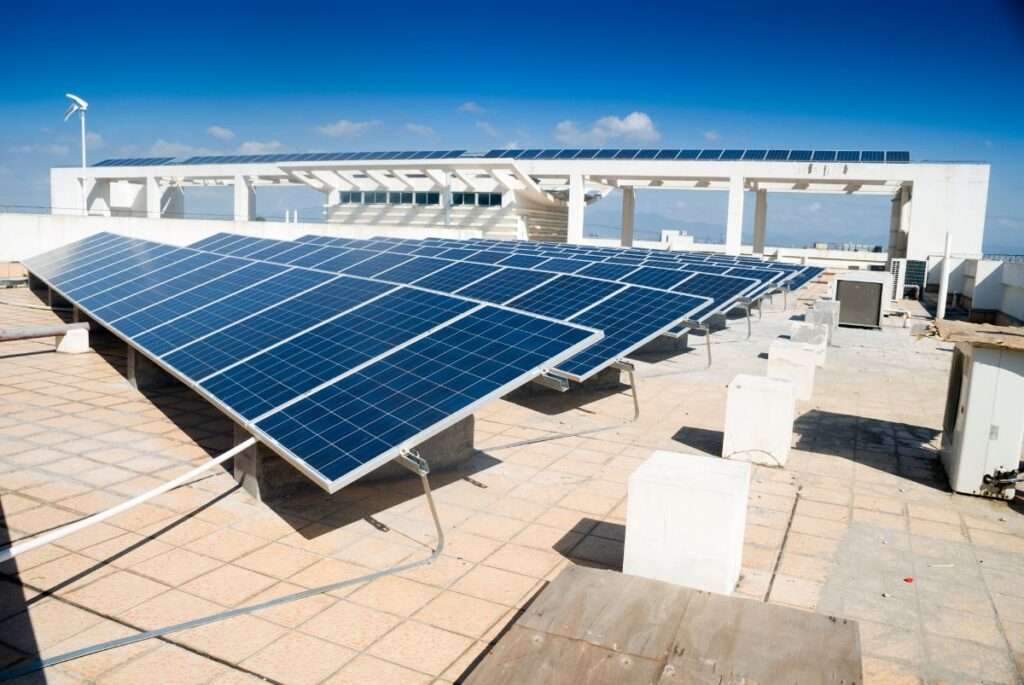
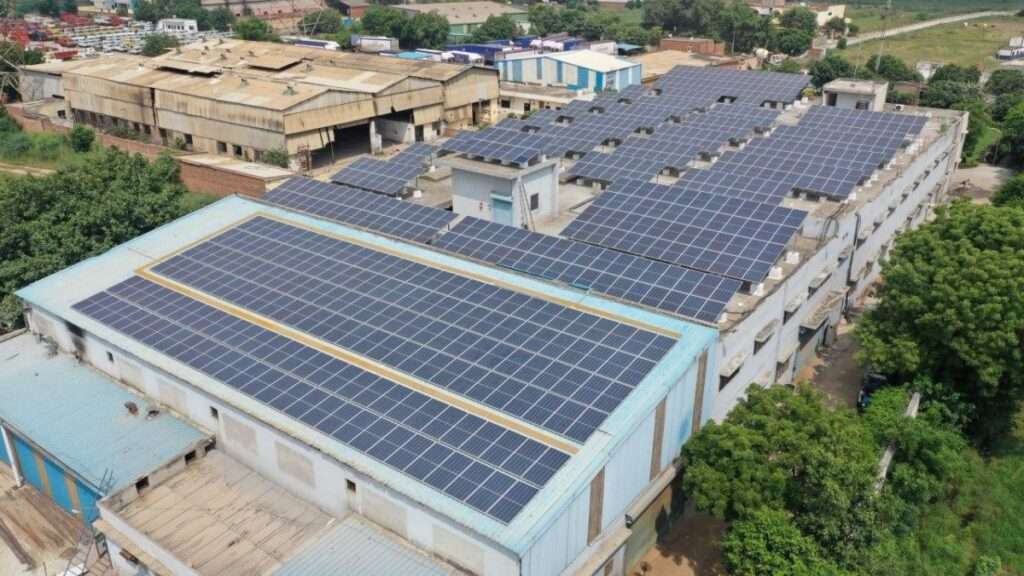
Cost of Solar Panels for House in India
The cost depends on your electricity usage and system size.
Approximate pricing:
1KW system → ₹60,000 – ₹80,000
3KW system → ₹1.8L – ₹2.5L
5KW system → ₹3L – ₹4L
👉 With subsidy, your cost reduces significantly.
How Solar Panels Work for Your House
Solar panels absorb sunlight and convert it into electricity using photovoltaic (PV) technology.
Here’s how it works:
Sunlight hits the solar panels
Panels convert sunlight into DC electricity
Inverter converts DC into usable AC power
Electricity powers your home appliances
This system is simple, efficient, and requires very low maintenance.
Benefits of Installing Solar Panels at Home
Reduce Electricity Bills
Save up to 90% on monthly power costs.
Government Subsidy
The Indian government offers subsidies up to ₹78,000 for residential solar systems.
Eco-Friendly Energy
Solar energy is clean and reduces your carbon footprint.
Long-Term Investment
Solar panels last 25+ years, giving long-term returns.
HOW WE WORK
Step-by-Step Solar Panel Installation Process

Project Planing
Research & Analysis

Execute Project
Make it Happen
Government Subsidy on Solar Panels
Under government schemes, homeowners can get financial support for installing solar panels.
Benefits include:
Reduced installation cost
Faster ROI (Return on Investment)
Encouragement for renewable energy adoption
The cost depends on system size. A 3kW system typically costs between ₹1.8 to ₹2.2 lakhs before subsidy.
Yes, residential rooftop solar systems are eligible for central government subsidy under MNRE guidelines.
You can reduce electricity bills by up to 80–90% depending on system capacity.
Installation usually takes 2–3 days after site inspection and approval.
On-grid systems shut off during power cuts. Hybrid or battery systems provide backup.