
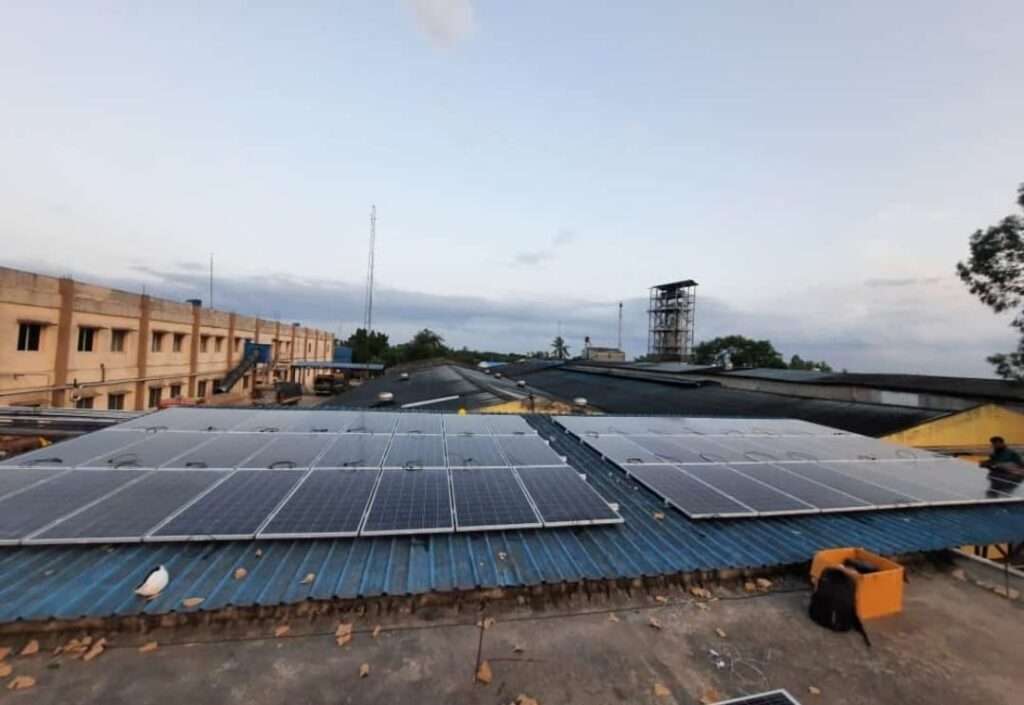
residential solar in hyderabad
Blog

Solar Energy for Residential Homes | Milestone solar

Solar Energy for Residential Homes Solar Energy for Residential Homes is a smart and affordable solution to reduce electricity bills, gain energy independence, and create a sustainable future. By installing rooftop solar panels, homeowners can save up to 90% on power costs while increasing property value and reducing dependence on the grid. This guide explains benefits, costs, system types, and why residential solar is the best long-term investment for homes. A Smart Way to Save Money & Power Your Home Sustainably Rising electricity bills and frequent power cuts are common concerns for homeowners today. Solar energy for residential homes offers a reliable, eco-friendly, and cost-effective solution that converts sunlight into clean electricity for daily household needs. With government support and falling solar panel prices, now is the best time for homeowners to switch to solar. Why Residential Homes Should Go Solar Major Savings on Electricity Bills A residential solar system can reduce monthly power bills by 50% to 90%, depending on system size and usage. One-Time Investment, Long-Term Benefits Solar panels last 25+ years, providing free electricity after the initial payback period of 3–5 years. Energy Independence Solar reduces dependency on electricity boards and protects your home from tariff hikes and power cuts. Environment-Friendly Living Using solar energy helps reduce carbon emissions and supports a cleaner, greener planet. Types of Residential Solar Systems 🔹 On-Grid Solar System Connected to the electricity grid Best for homes with stable power supply Excess power can be exported to the grid 🔹 Off-Grid Solar System Includes battery backup Ideal for areas with frequent power cuts 🔹 Hybrid Solar System Grid-connected with battery storage Ensures uninterrupted power supply How Much Does Residential Solar Cost? The cost of a home solar system depends on: Roof space available Power requirement (kW) Type of inverter & panels 💡 Example:A 3 kW solar system can save up to ₹30,000–₹40,000 per year on electricity bills. Government subsidies make residential solar even more affordable for homeowners. Installation Process for Home Solar Systems Free site survey & roof inspection Load calculation & system design Panel & inverter installation Grid connection & testing Start generating solar power Professional installation ensures safety, efficiency, and long system life. Why Choose the Right Solar Partner Selecting an experienced solar company is crucial for performance and long-term savings. Milestone Solar Company provides complete residential solar solutions, from consultation to installation and maintenance, ensuring reliable performance and maximum savings.
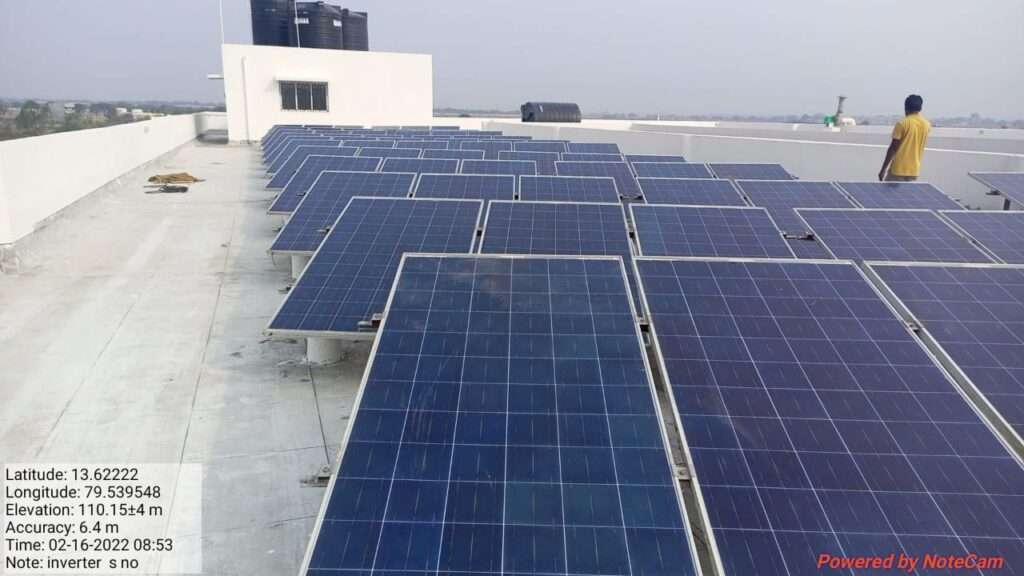
solar power panel companies in hyderabad, telangana
Blog

Solar Energy for Commercial Buildings | Milestone solar

Solar Energy for Commercial Buildings Solar Energy for Commercial Buildings is a smart, long-term investment that helps businesses significantly reduce electricity costs, ensure uninterrupted power supply, and achieve sustainability goals. From offices and hospitals to malls and factories, commercial solar systems deliver high ROI, lower operational expenses, and long-term energy independence. This guide explains benefits, costs, savings, and why solar is the future for commercial properties. A Smart Investment for Cost Savings & Sustainable Growth In today’s competitive business environment, rising electricity costs and sustainability goals are major concerns for commercial property owners. Solar energy for commercial buildings has emerged as a reliable, cost-effective, and future-ready solution for offices, hospitals, malls, hotels, warehouses, and industries. Businesses across India are switching to solar to cut operational costs while reducing their carbon footprint. Let’s explore why commercial solar power is a game-changing investment. Why Commercial Buildings Should Go Solar Massive Reduction in Electricity Bills Commercial buildings consume large amounts of power daily. Installing a solar power system can reduce electricity bills by 50% to 90%, depending on system size and usage. High Return on Investment (ROI) Unlike many expenses, solar is a one-time investment that generates returns for 25+ years. Most commercial solar systems recover their cost within 3 to 5 years. Reliable Power Supply Solar systems reduce dependency on the grid and protect businesses from power cuts, voltage fluctuations, and tariff hikes. Eco-Friendly & Brand Value Using solar energy helps businesses meet sustainability goals, reduce carbon emissions, and improve brand reputation among customers and partners. Types of Commercial Solar Systems 🔹 On-Grid Solar System Connected to the electricity grid Best for offices, malls, schools, and hospitals Excess power can be exported to the grid 🔹 Off-Grid Solar System Includes battery storage Suitable for areas with frequent power cuts 🔹 Hybrid Solar System Combines on-grid and battery backup Ideal for businesses needing uninterrupted power Commercial Buildings That Benefit Most from Solar Office buildings & IT parks Hospitals & diagnostic centers Shopping malls & supermarkets Hotels & resorts Factories & warehouses Educational institutions Cost & Savings of Commercial Solar Power The cost of commercial solar depends on: Rooftop or ground-mounted system Power capacity (kW / MW) Type of inverter and panels 💡 Example:A 50 kW commercial solar system can save ₹5–7 lakhs per year on electricity bills. Government subsidies and accelerated depreciation benefits further improve affordability. Installation Process Explained Site survey & load analysis System design & approval Installation of panels & inverter Grid connection & testing Power generation begins Professional installation ensures safety, efficiency, and long system life. Why Choose a Trusted Solar Partner Choosing the right solar company is crucial for performance and long-term savings. Milestone Solar Company provides end-to-end commercial solar solutions, from design to installation and maintenance, ensuring maximum efficiency and reliable performance.

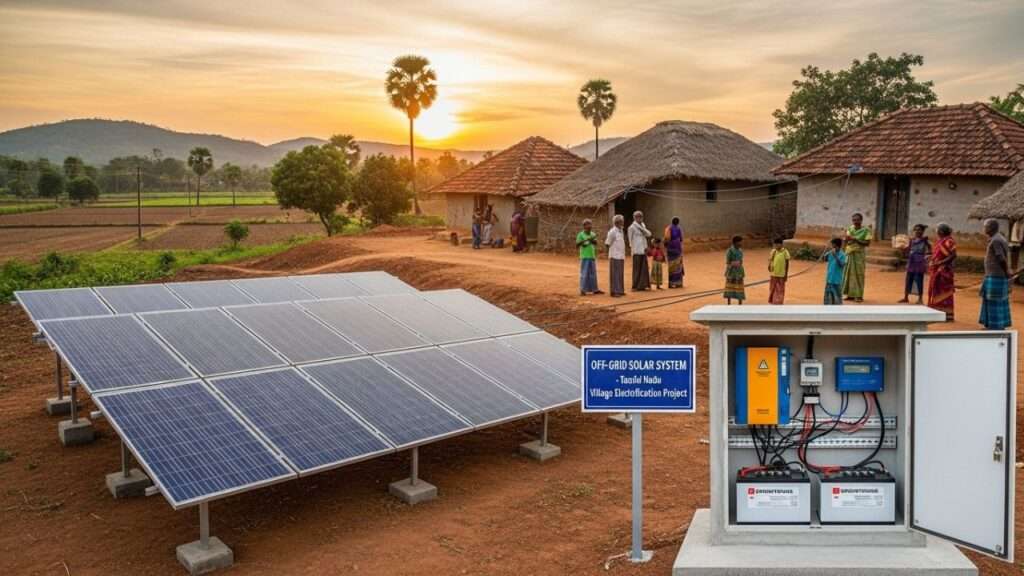
Rural Electrification in hyderabad
Blog

Difference between Off-Grid and On-Grid Solar SPV Plants for Homes | Milestone Solar

Difference between Off-Grid and On-Grid Solar SPV Plants for Homes Choosing the right solar system for your home depends on your electricity needs, budget, and location. The two most common options are Off-Grid Solar SPV Plants and On-Grid Solar SPV Plants. Below is a clear and simple comparison to help homeowners make the right decision. What Is an On-Grid Solar SPV Plant? An On-Grid Solar SPV Plant is connected directly to the electricity grid. It generates power during the day, and excess electricity is exported to the grid through net metering. Key Features Connected to the government electricity grid No battery storage required Excess power is sent to the grid Lower installation cost Best For Homes with reliable grid power Urban and semi-urban areas Homeowners looking to reduce electricity bills Advantages Cost-effective system Faster return on investment Low maintenance Net metering benefits Limitations Does not work during power cuts Depends on grid availability What Is an Off-Grid Solar SPV Plant? An Off-Grid Solar SPV Plant operates independently without any connection to the electricity grid. It uses batteries to store energy for night-time and power outages. Key Features Completely independent from the grid Uses battery storage Provides power during outages Ideal for remote locations Best For Homes in rural or remote areas Locations with frequent power cuts Users needing uninterrupted power Advantages Complete energy independence Reliable power supply Works during blackouts Limitations Higher initial cost due to batteries Battery replacement required over time Slightly higher maintenance Difference between Off-Grid and On-Grid Solar SPV Plants Feature On-Grid Solar SPV Off-Grid Solar SPV Grid Connection Required Not required Battery Backup No Yes Works During Power Cut No Yes Installation Cost Lower Higher Maintenance Low Medium Ideal Location Cities & towns Rural & remote areas Which Solar SPV Plant Is Best for Homes? Choose On-Grid Solar SPV if your home has stable electricity and you want to save on monthly power bills. Choose Off-Grid Solar SPV if your home faces frequent power cuts or is located where grid power is unreliable.

Scroll to Top